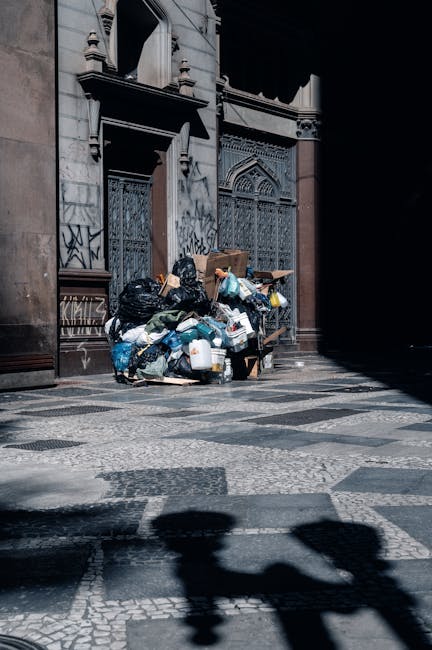
Bayswater bulky rubbish pickup for Lancaster Gate flats

If you live in a flat near Lancaster Gate, you already know the awkward part about bulky waste: it is never just "one old chair." It is a mattress leaning in the hallway, a wardrobe that won't fit in the lift, maybe a broken desk, and the slight dread of wondering how on earth it is all getting out without upsetting neighbours or blocking the entrance. Bayswater bulky rubbish pickup for Lancaster Gate flats is the practical answer when you need heavy items removed quickly, neatly, and with as little fuss as possible.
This guide explains how the process works, what to expect in a flat-sharing or managed-building setting, and how to avoid the common mistakes that cause delays. You will also find a comparison of removal options, a realistic checklist, and a few expert tips that make life easier on collection day. Truth be told, a smooth pickup is mostly about planning the small things well.
Why Bayswater bulky rubbish pickup for Lancaster Gate flats Matters
Bulky rubbish in a flat block causes more disruption than people expect. A single bulky item left in the wrong place can narrow a corridor, create a trip hazard, or make the concierge desk deal with complaints nobody really wants before breakfast. In Lancaster Gate, where many homes sit in mansion blocks, converted properties, or managed apartments, the challenge is usually access rather than the waste itself.
That is why a planned pickup matters. It helps you move items out cleanly, avoid lifting accidents, and respect the shared spaces that everyone uses. It also helps if you are dealing with a deadline such as a tenancy handover, an end-of-build project, or a family clear-out. When time is tight, you do not want a pile of old furniture sitting around for another week. You want it gone, properly.
There is also a practical local angle. Flats near Bayswater and Lancaster Gate often have limited street loading space, porter restrictions, or specific building rules. A good pickup service understands that and works around it rather than pretending every property is a driveway house in the suburbs. Different setting, different rules. Simple as that.
If the clearance is part of a broader flat refresh, it can help to look at related support such as flat clearance or furniture disposal when the main issue is oversized household pieces.
How Bayswater bulky rubbish pickup for Lancaster Gate flats Works
At a basic level, bulky rubbish pickup is a collection and removal service for large items that are awkward to carry, too large for standard bins, or unsuitable for normal household disposal. In flat buildings, the service has to be planned around stairwells, lifts, entry codes, resident access, and any time windows set by the building manager.
The process usually begins with identifying what needs to go. That sounds obvious, but it saves a lot of back-and-forth. A sofa is not the same as a full flat clear-out. A broken wardrobe is not the same as a pile of renovation offcuts. Once the items are listed, the next step is deciding whether they can be removed from inside the flat, from a communal area, or from a designated loading point outside.
From there, the provider will typically assess volume, access, and the type of waste involved. Some items can be reused or recycled; others need disposal as general bulky waste. If there is a mixture of furniture, mixed household waste, or light builder's debris, the job may need a more tailored approach. For bigger mixed loads, the wider waste removal option can make more sense than a one-item collection.
In a typical Lancaster Gate flat scenario, you might book a morning slot, clear hallways in advance, and give the building manager notice if needed. On arrival, the team confirms the items, handles lifting and loading, and removes everything in one visit where possible. No drama, no multiple trips dragging a wardrobe down a narrow staircase at 7pm. Well, ideally no drama.
Key Benefits and Practical Advantages
The biggest benefit is obvious: you get rid of bulky rubbish without turning your flat into a storage unit. But there are several other advantages that matter just as much in real life.
- Less strain on residents: Heavy lifting is one of the most common sources of accidental damage in flats. Letting trained people handle the awkward items reduces that risk.
- Better use of shared spaces: Hallways, lifts, and entrances stay clear, which keeps neighbours happier and building rules easier to follow.
- Faster turnaround: If you need a property ready for new tenants, decorators, or a sale, speed matters.
- Cleaner outcomes: A proper pickup means items are sorted and handled in a more responsible way, rather than dumped in the nearest skip of unknown origin.
- Less stress: To be fair, this is a big one. Once the bulky stuff is gone, the whole flat feels easier to deal with.
There is also a subtle but real benefit: it helps you decide what kind of waste problem you actually have. People often think they need "a rubbish collection," when in fact they need a furniture-specific pickup, a flat clearance, or a mixed household removal. Choosing the right service can save time, money, and that annoying feeling of having booked the wrong thing.
For furniture-heavy jobs, the service pages for furniture clearance and home clearance may also be relevant depending on whether you are clearing one room or the whole flat.
Who This Is For and When It Makes Sense
This kind of pickup is ideal for residents and landlords dealing with bulky items in flats around Lancaster Gate, Paddington, Bayswater, and nearby central London streets. It is especially useful if you have stairs, no parking, tight lift access, or an old property layout that makes moving large items awkward at best.
Typical situations include:
- end-of-tenancy clear-outs
- old furniture removal before a move
- student or shared-flat turnover
- post-renovation rubbish from a small flat refurb
- landlord or letting-agent void works
- clearing a deceased relative's flat with sensitivity
- getting rid of a mattress, bed frame, sofa, or wardrobe that cannot be left outside
It also makes sense when the job is emotionally draining. A lot of flat clearances are not just about stuff; they are about closing a chapter. That can be overwhelming. A calm, organised pickup takes a load off, literally and mentally. And yes, sometimes the old armchair has been there since the 90s and nobody remembers who bought it. Happens more than you'd think.
If the waste is from a larger property or a fuller move, the broader house clearance and loft clearance services may be more suitable, while smaller mixed household jobs often sit neatly under home clearance.
Step-by-Step Guidance
Here is the simplest way to plan a Baywater bulky rubbish pickup for a Lancaster Gate flat without making it harder than it needs to be.
- List every item clearly. Write down each bulky item, including approximate size and whether it can be dismantled.
- Check building access. Note lift availability, stair width, entry codes, concierge hours, parking limits, and any quiet-hour rules.
- Separate reusable items from waste. If something is in decent condition, decide early whether it can be donated, reused, or removed as furniture waste.
- Clear a route to the items. Hallways get narrow quickly. Move small obstacles, shoes, plant pots, and boxes out of the way first.
- Tell neighbours or the building manager if needed. Especially in blocks where loading space is shared, a little notice avoids complaints.
- Confirm what is being collected. The more precise you are, the fewer surprises on the day.
- Prepare payment and paperwork. If the provider gives terms, review them in advance. For pricing questions, the pricing and quotes page is a sensible place to start.
- Be ready at the agreed time. This sounds minor, but it is the step people skip most often. And then everyone waits around, which is not ideal in a busy building.
A small practical tip: if an item is bulky but not especially heavy, dismantling it beforehand can make access easier. If it is heavy-heavy, leave it alone. No medal is awarded for injuring your back trying to be helpful.
Expert Tips for Better Results
After many awkward flat pickups, a few habits stand out as consistently helpful.
1. Measure before collection day. A mattress might fit through one doorway but not a second, tighter internal opening. Measuring saves guesswork.
2. Photograph awkward items. Pictures help confirm size, condition, and whether something is actually single-piece or partly dismantled already.
3. Keep the route clear from the start. If the lift opens into a narrow landing, every extra bag or box in the way matters. It really does.
4. Group similar items together. Sofas, wardrobes, and mixed small waste often need different handling. Grouping helps the crew work faster.
5. Ask about reuse and recycling. A responsible provider should try to divert items from disposal where possible. For more on environmental handling, see recycling and sustainability.
6. Time the pickup sensibly. Mid-morning often works better than the school-run rush or evening congestion. In central London, that can make a noticeable difference.
Expert summary: The best bulky rubbish pickup is not the one that simply arrives. It is the one that arrives with the right information, the right access plan, and the least friction for the people living there.
If the job includes damaged units, loose boards, or light renovation debris, a service such as builders waste clearance may be the better fit than a standard furniture-only collection.
Common Mistakes to Avoid
The same few problems keep causing delays. Avoid these and the whole thing gets much smoother.
- Leaving items in the hallway too early. This can create safety issues and upset neighbours or building staff.
- Booking before checking access. A van may be ready, but if the lift is out or the loading bay is blocked, the job slows down.
- Assuming everything counts as ordinary rubbish. Some items are better handled as furniture disposal, some as mixed waste, and some as a flat clearance.
- Not telling the provider about stairs or tight corners. That one detail can change the whole plan.
- Forgetting restricted items. If you have anything unusual, mention it early rather than on the doorstep.
- Trying to do too much yourself. A quick tidy is fine. Moving a heavy wardrobe down four flights of stairs? That is how people end up regretting Tuesday.
Another easy mistake is choosing a service based only on price, without checking whether it suits the building and the size of the load. Cheaper is not always cheaper if the first plan falls apart and you have to rebook. Annoying, but true.
Tools, Resources and Recommendations
You do not need a full toolkit to prepare for pickup, but a few simple tools make the process much easier.
- Measuring tape: for door widths, stair turns, and awkward furniture dimensions
- Marker pen or labels: to mark what is going and what is staying
- Phone camera: useful for sharing item photos during quotation or planning
- Utility gloves: for light tidying and sorting before the crew arrives
- Basic screwdriver or Allen key: only if you are safely dismantling a light item
- Checklists: still underrated, even in 2026. A scribbled note on paper works fine.
For help choosing the right service type, browse the provider's core options such as furniture clearance, flat clearance, or waste removal. If the pickup is tied to a workplace or rental business, business waste removal may be more relevant. Different jobs, different shape.
And if you want to understand the company behind the service before booking, it can be worth reading the about us page. Small detail, but trust matters when you are letting people into a flat building.
Law, Compliance, Standards, or Best Practice
For bulky rubbish pickup in London flats, the main issue is not legal theory; it is doing things properly. That usually means keeping communal areas safe, using responsible waste handling, and making sure the waste goes to an appropriate facility rather than being dumped or mixed carelessly.
As a resident, your practical duties are straightforward: do not obstruct fire exits, do not leave waste in shared areas longer than necessary, and do not hand over items in a way that creates risk for neighbours, porters, or visitors. If the building has its own rules, those should be followed as well. Managed blocks often do.
For a provider, sensible best practice includes proper loading, careful lifting, appropriate handling of different waste types, and attention to health and safety. You can usually expect a professional operation to have clear policies around this, including the sort of standards explained on health and safety policy and insurance and safety pages. That kind of reassurance matters, especially in narrow stairwells where one careless movement can chip walls or damage bannisters.
Privacy, payments, and complaint handling are also worth understanding before you book. Not glamorous, admittedly, but useful. The related pages on payment and security, complaints procedure, and terms and conditions help set expectations before collection day.
Options, Methods, or Comparison Table
Here is a simple comparison of the main ways people deal with bulky rubbish in Lancaster Gate flats.
| Method | Best for | Pros | Trade-offs |
|---|---|---|---|
| Bulky rubbish pickup | One-off large items, mixed bulky waste, flat access issues | Convenient, time-saving, less lifting for residents | Needs accurate item details and access planning |
| Flat clearance | Multiple rooms, full or near-full flat clear-outs | More comprehensive, better for larger jobs | May be more than you need for a small load |
| Furniture disposal | Sofas, wardrobes, beds, single furniture items | Good for bulky household pieces | Not ideal if the waste includes many mixed item types |
| Waste removal | Mixed loads or broader rubbish jobs | Flexible and practical | Less specific than item-based services |
| House clearance | Whole-property projects | Useful for large-scale clear-outs | Often unnecessary for a single flat pickup |
The best choice depends on the size of the job, the access, and how quickly you need it done. If you only have a sofa, a mattress, and two broken chairs, there is no need to overcomplicate it. If the flat is being emptied after a tenancy, a more complete service may be the smarter route.
Case Study or Real-World Example
Imagine a second-floor flat near Lancaster Gate with a narrow staircase, a lift that is too small for a wardrobe, and a move-out deadline the next morning. The resident has a bed base, an old desk, a mattress, and a few smaller items that no longer fit in the flat. The hallway is already busy because another neighbour is waiting on a delivery. Not ideal.
The practical solution is simple: the resident sends item details in advance, clears the route from the front door to the lift, and checks the building rules for collection timing. The pickup team arrives with the right expectations, confirms the load, and removes the bulky items without forcing them through spaces that clearly were never designed for oversized furniture. No scratched paint. No awkward negotiation with the porter. Everyone keeps moving.
What made that job work was not luck. It was preparation. The resident knew what was being removed, the building access was understood, and the service matched the property type. That is the pattern you want to copy. Nothing fancy. Just enough planning to stop the day becoming a mess.
For jobs like that, the usefulness of a focused service becomes obvious. A general tip-off like "we'll sort it on arrival" is not enough in a London flat block. You need a plan, even a simple one.
Practical Checklist
Use this checklist before your pickup day. It saves time and, frankly, a bit of sanity.
- Confirm exactly which items are going
- Measure large items and tight doorways
- Check lift access, stairs, and entry codes
- Clear the route from the items to the exit
- Tell the building manager if notice is needed
- Separate reusable furniture from waste
- Photograph awkward or unusually large items
- Review the booking details and collection time
- Keep children, pets, and walkways clear on the day
- Have a backup plan if access changes at short notice
Quick tip: If you are unsure whether the job is a furniture pickup, a flat clearance, or general waste removal, write down everything on one page. Seeing it in one place usually makes the answer obvious. Funny how that works.
Conclusion
Bayswater bulky rubbish pickup for Lancaster Gate flats is really about making a difficult, physical job feel manageable. In a flat setting, that means planning around access, respecting shared areas, and choosing the right service for the actual load, not the load you wish you had. When done well, it saves time, reduces stress, and gets the flat back to normal far faster than trying to wing it.
Whether you are clearing one awkward item or several pieces of old furniture, the smartest approach is usually the calm one: identify the items, check access, and book the service that fits the job properly. That little bit of organisation goes a long way.
Get a free quote today and see how much you can save.
If you are comparing providers or want to understand the company a bit better first, you can also review the recycling and sustainability approach and the main service pages before deciding. A little homework now saves a lot of hassle later, and that is never a bad thing.
Frequently Asked Questions
What counts as bulky rubbish in a Lancaster Gate flat?
Bulky rubbish usually means large items that are hard to move, awkward to carry, or too big for normal household bins. In flats, that often includes sofas, beds, wardrobes, mattresses, tables, and dismantled furniture.
Do I need to clear the hallway before collection?
Yes, as much as possible. A clear route helps the crew move items safely and keeps shared spaces usable for neighbours. It also reduces the risk of damage to walls and door frames.
Can bulky rubbish be collected from upper-floor flats?
Usually, yes, provided access is workable. Lifts, stairs, narrow landings, and entry controls all affect the collection plan, so it helps to mention them in advance.
Is bulky rubbish pickup the same as flat clearance?
Not always. Bulky pickup is often for a smaller number of large items, while flat clearance can cover most or all contents of a flat. If you are unsure, describe the job rather than guessing the label.
What if my items are too heavy to move safely?
Do not try to force it. Heavy items should be left for a team that can handle lifting properly. That is exactly where a professional pickup is useful.
Can I include mixed waste with furniture?
Sometimes, yes, but it depends on the type and amount of material. Mixed loads may be better handled under waste removal rather than furniture-only collection.
How do I prepare a flat for a bulky rubbish collection?
Start by listing the items, clearing the route, checking access, and removing smaller objects from around the bulky waste. A tidy space makes everything easier on the day.
Is it worth dismantling furniture beforehand?
Only if it is safe and easy to do. Lightweight items can sometimes be broken down to make access simpler, but heavy or awkward pieces are often better left intact.
What should I ask before booking?
Ask about access requirements, what types of waste are accepted, whether the job suits a flat clearance or furniture disposal service, and how pricing is handled.
How do I know which service is best for my situation?
If it is a single sofa or mattress, furniture disposal may be enough. If it is several bulky items from one flat, flat clearance or waste removal may be more suitable. If you are clearing multiple rooms, a wider clearance option is probably the better fit.
Can I get help if the bulky items came from a renovation or repair?
Yes, but renovation debris often needs a different service approach. Light rubble, timber offcuts, or plasterboard may be better matched to builders waste clearance rather than ordinary household pickup.
What is the best thing to do if I am short on time?
Be clear, be specific, and get your access details ready. The more organised the booking, the less chance of delay. In a busy London block, that makes a real difference.