Office Clearance in Bayswater

Office clearance in Bayswater needs to be organised, careful and suited to working premises where access, timing and confidentiality all matter. We provide a practical service for clearing desks, chairs, filing units, reception furniture and general workplace items, with the focus on leaving the space ready for its next use. Whether the requirement is part of an office move, a refurbishment, a lease end or a gradual reduction in surplus equipment, the work is planned around the contents rather than forcing a one-size-fits-all approach.
Our service covers a wide range of office contents, from individual items that no longer serve a purpose to fuller clearances involving multiple rooms or floors. We can handle general furniture, mixed office equipment and stored items that have built up over time. Careful sorting matters here, because not everything in an office is simply waste: some items may be reusable, some may need specialist handling and some may be suitable for recycling. If you are comparing options, ask for a quotation once you know the main items involved and the access available.
For larger or more varied clearances, it helps to think in terms of what should stay, what should move elsewhere and what can be removed in a single visit. That might include desks, meeting tables, swivel chairs, storage units, IT peripherals, boxed paperwork and older fixtures. Keep the first conversation focused on the main categories rather than trying to decide every detail up front. If you are ready to take the next step, please request a quotation.
Clearance for offices of different sizes
Office premises in Bayswater can vary from compact professional suites to multi-room floors, shared work areas and back-office storage spaces. The service therefore needs to stay flexible. A smaller clearance may involve a few redundant desks and cabinets, while a fuller project may include numerous workstations, conference furniture and accumulated archive material. Our approach is to assess the type of contents first, then decide how the removal should be organised so that the space is cleared efficiently and responsibly.
When people arrange office clearance, they often want the work handled without disrupting neighbouring businesses or building operations. That is why access planning, lift use, loading arrangements and building rules all deserve attention. Good preparation does not need to be complicated: identify the main rooms, note anything that must remain in place and make sure access is available at the agreed time. For a straightforward start, send over the essentials and we can discuss the most suitable way to proceed.
Typical office clearances can include:
- desks, task chairs and boardroom tables
- filing cabinets, shelving and storage furniture
- reception items, breakout furniture and shared-use pieces
- office equipment and mixed contents that are no longer needed
- archived materials and boxed items where removal is appropriate
Furniture and equipment removal

Many office clearances are driven by changing layouts or the replacement of older furniture. In those cases, the removal itself needs to be orderly rather than rushed, especially when items are large, awkward or built in around the room. We deal with office furniture removal as part of the broader clearance process, helping to take away items such as desks, cabinets, shelving, tables and other workplace furnishings that are no longer required.
Office equipment can add another layer to the job because it may include mixed materials, cables, peripherals and items that need separating before disposal or recovery. That is one reason the service is best treated as a structured removal rather than simple labour. We can clear working areas carefully and keep the contents moving through the process in a sensible order. If there are items you are unsure about, it is usually best to list them together so they can be reviewed as part of one quote.
Useful planning point: if you already know which furniture is staying, mark or group it in advance so there is no confusion on the day. That can make the clearance smoother without requiring a long preparation checklist. For businesses comparing costs, the quantity and type of furniture are often more important than the room count alone. Use the most accurate description you have and ask for a quotation when you are ready.
Archive, paperwork and storage areas
Office clearance is not always about visible furniture alone. Many businesses in Bayswater also need help with stored materials, archive boxes and older paperwork that has been kept beyond its practical use. These areas can build up quietly and occupy valuable space, particularly in cupboards, side rooms and back-office storage. A sensible clearance plan will distinguish between active records, items that need secure retention and materials that can be removed.
Storage spaces often contain a mixture of items rather than a single category, so the work is best approached with a clear understanding of what the room or cabinet holds. That might include boxed files, obsolete folders, paper stock, office supplies and general accumulated contents. Clear sorting is important because it reduces the chance of removing something that still needs to remain on site. When the contents are complicated, a short written summary is often more useful than a long explanation.
For workplaces that are reorganising or vacating space, archive clearance can be part of a wider tidy-up before refurbishment or reoccupation. It is also common for this type of work to be combined with furniture removal, especially where old storage units are being taken out at the same time. If you want the clearance arranged around specific rooms or storage zones, let us know the layout and we can prepare a practical quotation.
How to prepare an accurate quotation
Accurate quotations for office clearance in Bayswater usually depend on a few clear details: the type of items involved, the approximate volume, access conditions and whether there are any heavier or more awkward pieces. Photos can be useful, but they are not the whole story. A brief description of the rooms, floors, entrances and any restrictions helps create a more realistic estimate. If some items are to remain on site, say so early to avoid misunderstandings.
It is also helpful to mention any timing limits linked to building management, business hours or shared occupancy. Some offices need work arranged around meetings, deliveries or cleaning schedules, while others are simply looking for the most convenient removal window. One clear list of what needs to go is often enough to start the process. If you are planning ahead, you can use that list to request a quotation without having to over-explain the job.
We keep this part of the process straightforward: describe the contents, note the access and ask for a quotation when you are ready. That gives a better basis for planning than trying to fit every item into a generic description. For businesses under time pressure, a concise enquiry is usually the most efficient way to begin.
Recycling, sorting and responsible handling

Responsible office clearance involves more than removal alone. Once items leave the workplace, they still need to be sorted sensibly so that reusable materials, recyclable components and general waste are handled in the right way. That is particularly relevant for office furniture, metal fittings, mixed materials and IT-related items, where a single room can contain several different types of content. A well-managed clearance keeps that separation in mind from the outset.
Where possible, items are assessed for their likely next step rather than being treated as one identical load. This helps with office furniture disposal, mixed office contents and other materials that may need different routes once removed. It also gives businesses a cleaner, more orderly process when they are trying to empty a suite or hand back a unit. The aim is not simply to take things away, but to clear them in a way that makes practical sense for the premises.
If you are comparing clearance services, it may help to ask how the main contents will be separated and what kinds of items can be included together. That question can avoid confusion later, especially where a job contains both straightforward furniture and smaller mixed materials. When you are happy with the outline, a quotation can be prepared on the basis of the actual contents rather than a rough guess.
Commercial moves, reconfiguration and end-of-lease work
Office clearance often sits alongside a move, a refurbishment or a reconfiguration of the working area. In those situations, the job is rarely just about removing waste; it is about making sure the room is ready for the next stage. That can mean taking away redundant furniture, clearing old storage items, removing leftover equipment and dealing with mixed contents that no longer fit the revised layout. A clear plan makes the transition far easier to manage.
End-of-lease clearances need particular attention because the premises may need to be left in a tidy, uncluttered condition. The work should focus on the items that belong to the outgoing arrangement and on anything that has become surplus during the tenancy. Our service can support that process by removing office contents in a practical order, while leaving the remaining items intact. If there are fixed fittings or items that should not be touched, they should be identified before the work begins.
In many workplaces, the easiest way to organise the clearance is to divide the contents into three groups: items to keep, items to relocate and items to remove. That simple structure can save time and reduce confusion. If your office move or handover is approaching, start with that breakdown and then request a quotation once the main categories are clear.
What the clearance process usually covers
Every office has its own mixture of furnishings and stored materials, so a good clearance service must be able to deal with a broad range of contents without overcomplicating the job. In practice, that means assessing what needs removing, how it is arranged and whether any items need extra care because of size, weight or composition. The work is then carried out in a way that suits the premises rather than disrupting them unnecessarily.
Common items handled during office clearance include desks, chairs, cupboards, shelving, meeting tables, storage units, small equipment and accumulated workplace contents. Depending on the job, this may also involve taking away items from reception spaces, side rooms, copy areas and back-office storage. The value of a proper clearance is that it treats the contents as a whole project, not as isolated objects to be removed one by one without a plan.
If you are unsure whether something counts as part of the clearance, it is usually better to mention it than to leave it out. That keeps the quotation more accurate and avoids surprises when the work begins. A plain description of the room contents is enough to get started, and you can always refine the details afterwards.
Access, timing and building considerations

Office buildings often come with practical limits that affect how the clearance should be arranged. Lift access, shared corridors, loading areas, concierge arrangements and time restrictions can all influence the best way to proceed. These are not complications for their own sake; they are simply the conditions that determine how the job can be carried out safely and efficiently. When they are known in advance, the clearance can be planned around them with far less disruption.
Timing is equally important where businesses are still operating on site. Some offices prefer removals outside busy periods, while others need the work to fit between meetings, deliveries or cleaning. Clear access details can make a significant difference to how the quotation is formed and how the work is organised. If there are any restrictions on vehicle access, floor loading or entry procedures, mention them early and keep the description practical.
One useful habit is to gather the basic facts before asking for a quote: what is being removed, where it is located, how easy it is to reach and whether there are any timing limits. That information is usually enough to move the conversation forward without unnecessary back-and-forth. It also helps us suggest the right scale of office clearance for the premises.
About Bayswater
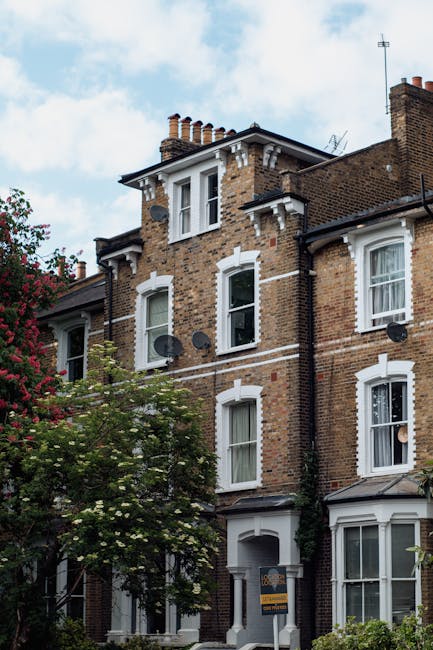
Bayswater is a district in west central London, positioned close to Hyde Park and Kensington Gardens and known for its mix of late nineteenth- and early twentieth-century terraces, mansion blocks and converted townhouses. The area grew significantly during the Victorian period, and many streets still reflect that expansion through formal façades, stucco-fronted elevations and repeated building lines that give the district a coherent urban character. Bayswater Road forms a well-known edge to the area, running along the northern side of Hyde Park and linking the district to one of London’s most recognisable open spaces. Across the neighbourhood, the street pattern is compact and varied, with residential squares, hotel buildings and smaller commercial premises sitting within a busy central-London setting. Paddington is nearby, adding major transport connections and a stronger sense of movement to the western side of the district. The area also contains notable religious and architectural landmarks, including several churches and garden squares that preserve a quieter atmosphere away from the main roads. Queensway is one of the best-known local streets, with shops, restaurants and public transport access contributing to its continuing commercial life. Meanwhile, the closeness of Whiteleys, once a major department store and now redeveloped, reflects how the district has changed over time while retaining a strong identity. Bayswater is therefore both urban and residential, shaped by its park edge, its historic buildings and its role as a densely occupied inner-London neighbourhood.
Office clearance for changing workplaces
Businesses do not always need the same kind of clearance each time. A growing company may need to make room for new desks and a different layout, while a smaller office may be reducing storage or replacing older furnishings. That is why we treat office clearance as a practical service that can be adapted to the type of workplace involved. The aim is to remove the contents that no longer serve the space while keeping the process orderly and proportionate.
Planning tip: if several areas are involved, it can help to separate them by room or floor before the quote is prepared. A reception, a meeting room and a storage cupboard may all require different amounts of work, even if they are being cleared on the same day. Breaking the job into parts makes the overall removal easier to understand and may prevent key items from being missed.
For offices that are reorganising rather than closing, selective clearance is often the most practical option. That can mean removing only surplus furniture, old storage and unused equipment, while leaving active workstations and essential fittings in place. If that sounds closer to what you need, please request a quotation and share the main items involved.
Furniture, fittings and mixed contents

Office rooms often contain a blend of furniture and smaller contents, which is why a clearance needs to be organised with care. A desk might be simple to remove, but a room full of mixed items can also include rails, monitor arms, small storage pieces, loose materials and leftover supplies. Treating everything as a single category can lead to inefficiency, so we look at the contents in a way that respects their different shapes and handling needs.
Some items are better described in groups: seating, storage, desks, tables, reception furniture or miscellaneous workplace contents. That helps when the job is being quoted and when the actual removal is being planned. It also keeps the scope sensible for customers who want the office cleared without spending time deciding every item individually. If something is bulky, fixed in place or otherwise awkward, mention it so the work can be arranged appropriately.
The best results usually come from a clear description of the main categories rather than a long list of small details. That gives enough information to organise the clearance while still allowing the service to stay flexible. If you are ready to move forward, ask for a quotation and outline the furniture and contents that need to go.
Practical next steps for a Bayswater quotation
When you are arranging office clearance in Bayswater, the next steps should be simple: decide what must be removed, check access and gather a brief summary of the items. If photographs help, include them; if a written description is clearer, use that instead. Either way, the goal is to make the quotation accurate enough to be useful without turning it into a long administrative exercise.
It can also help to note whether the premises are occupied, partially empty or fully vacated. That context affects how the clearance is scheduled and what level of care is needed around the remaining items. Where appropriate, mention any items requiring separation from the main clearance so that everything can be understood at once. One clear enquiry is usually enough to begin.
If you are planning an office clearance and want it handled in a sensible, well-organised way, request a quotation and share the main contents, access details and preferred timing. We will use that information to shape the right approach for the space.