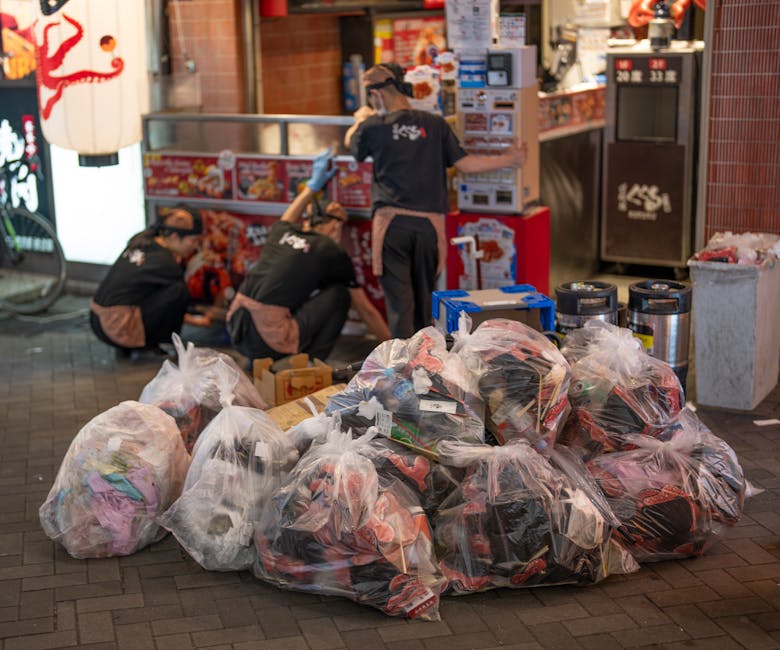
Bayswater W2 Waste Collection Guide for Queensway Shops
Queensway shops deal with a very specific kind of waste pressure: daily customer traffic, limited storage space, mixed packaging, quick stock turnarounds, and the constant need to keep entrances clear and presentable. A practical Bayswater W2 waste collection guide for Queensway shops helps you handle all of that without turning the back room into a bottleneck. Whether you run a cafe, convenience store, salon, boutique, or small office above a shopfront, the goal is the same: keep waste moving out safely, legally, and efficiently.
This guide explains how waste collection works in the Bayswater and Queensway area, what shop owners should prioritise, common mistakes to avoid, and how to choose the right collection approach for your premises. It also covers compliance basics, practical planning, and useful service links if you need a broader clearance or disposal solution. If waste is starting to creep into customer space, you will notice quickly. That is exactly the moment to tighten the process.
For businesses that need a more regular solution, it may also help to look at business waste removal in Bayswater alongside a one-off collection plan. Shops rarely need only one type of service; they usually need a combination of routine clear-outs, careful segregation, and a fast response when stock, fittings, or packaging pile up.
Table of Contents
- Why Bayswater W2 waste collection matters for Queensway shops
- How waste collection works in practice
- Key benefits and practical advantages
- Who this is for and when it makes sense
- Step-by-step guidance
- Expert tips for better results
- Common mistakes to avoid
- Tools, resources and recommendations
- Law, compliance, standards and best practice
- Options, methods and comparison table
- Case study or real-world example
- Practical checklist
- Conclusion
- Frequently asked questions
Why Bayswater W2 waste collection guide for Queensway shops matters
Queensway is busy, narrow in places, and heavily used by customers, delivery drivers, staff, and nearby residents. That makes waste management more than a housekeeping task. It becomes part of how your shop operates and how customers perceive it. A tidy frontage suggests control and care. Overflowing sacks, flattened boxes in the wrong place, or broken items left beside the door do the opposite.
For shop owners, the challenge is rarely just volume. It is timing. You may have small amounts of rubbish all day, then a burst of packaging after deliveries or a fit-out refresh. Food retailers have different requirements from fashion stores, and salons face different waste streams again. A practical collection plan stops you reacting at the last minute.
It also helps protect staff workflow. Nobody wants to navigate around boxes to reach stock. Nobody wants to carry bags through customer areas because the back access is blocked. And nobody wants the stress of discovering that a pile of mixed waste has become a compliance problem. If your store generates bulky or awkward items, waste removal in Bayswater can be a sensible fit when scheduled pickups or standard bins are not enough.
Expert summary: the best waste collection system for Queensway shops is the one that matches your opening hours, waste type, storage space, and loading access-not just the cheapest quote.
How Bayswater W2 waste collection guide for Queensway shops works
Most shop waste collection in this area works through a simple sequence: identify the waste type, separate it correctly, arrange a pickup or disposal route, and move it out with as little disruption as possible. The details matter, because retail waste is rarely uniform.
1. Identify the waste stream
Start by sorting what you actually throw away. Common shop waste includes cardboard, plastic wrap, broken display items, old shelving, packaging foam, office paper, damaged stock, worn fixtures, and sometimes food or drink waste. If you are fitting out a shop or refreshing shelving, you may also have heavier materials such as timber, brackets, or shopfitting offcuts.
2. Separate recyclable and non-recyclable waste
Good separation keeps collections cleaner, reduces contamination, and often simplifies the job. Cardboard should not be mixed with food waste. Loose polystyrene should not be jammed into general rubbish bags if you can avoid it. The cleaner the segregation, the easier it is for the collection team to handle the load responsibly.
3. Choose the collection method
You may need a scheduled business collection, a one-off clearance, or a same-day response after a busy retail reset. For shops with backroom space, on-site loading is often easiest. For premises with tight access, a short-notice uplift of bagged waste or bulky items may work better. A flexible provider can adapt to those constraints rather than forcing you into a rigid model.
4. Keep access routes clear
This is often overlooked. Collection is smoother when bins, sacks, boxes, and bulky items are positioned sensibly before the team arrives. If you operate on Queensway or nearby side streets, access windows can be tight, so the difference between a smooth uplift and a frustrating delay is often preparation.
5. Document what leaves the premises
Good record-keeping matters for business waste. Keep a note of what was collected, when it left, and which service handled it. That habit is useful for internal audits, compliance, and simple operational oversight. It also makes future collections easier to plan.
If you need a broader service that includes furniture, shelving, or shop interior items, furniture clearance is often relevant for retail units undergoing changes or end-of-line updates.
Key benefits and practical advantages
Done well, waste collection is one of those unglamorous systems that quietly improves everything else. You may not notice it when it runs properly. You certainly notice it when it does not.
- Cleaner customer experience: a tidy entrance and back-of-house area supports the way customers judge your business.
- Better staff efficiency: staff spend less time managing clutter and more time serving customers.
- Lower operational friction: fewer blocked corridors, fewer storage issues, fewer last-minute panic clearances.
- Improved compliance posture: organised waste handling reduces avoidable risk.
- More flexible stock and fit-out changes: you can refresh displays, replace fixtures, or remove old packaging without chaos.
- Stronger recycling outcomes: careful sorting makes responsible disposal more realistic.
For shops that accumulate boxed deliveries or seasonal display materials, the practical upside is immediate. You reclaim space. That means safer movement, easier cleaning, and less pressure on the team at peak times. It sounds basic, but in a busy retail strip, space is money.
For larger or mixed clearances, especially when a unit is being rearranged, furniture disposal in Bayswater can complement a regular waste collection route and help remove heavier items efficiently.
Who this is for and when it makes sense
This guide is useful for any Queensway shop that produces more waste than standard bins comfortably handle. That includes businesses with delivery-heavy operations, frequent stock rotation, or customer-facing areas that must stay spotless throughout trading hours.
Typical businesses that benefit
- Convenience stores and mini-markets
- Cafes, takeaways, and food-to-go outlets
- Salons, barbers, and beauty studios
- Fashion retailers and accessory shops
- Gift shops and souvenir stores
- Newsagents and small office-retail hybrids
- Independent service businesses with front-of-house stock
When it makes sense to arrange collection
You should strongly consider a structured waste collection plan when any of the following start happening:
- packaging builds up faster than you can flatten and store it
- stockroom space is being used as overflow waste storage
- staff are moving waste through customer areas
- you are changing displays or doing a seasonal reset
- bulky items are waiting near the entrance
- you need more than ordinary bin capacity
Shop owners often wait until the clutter becomes obvious to everyone. Truth be told, that is usually too late. The better moment is just before the clutter starts affecting daily flow.
If your premises are part retail, part office, or you manage a back-room workspace as well, office clearance services can be useful when documents, desks, chairs, or obsolete equipment also need to go.
Step-by-step guidance
Here is a practical way to set up a waste collection routine for a Queensway shop without overcomplicating it.
- Map your waste types. Walk through one trading day and note what gets thrown away. Packaging, cartons, food waste, damaged stock, broken fittings, and office refuse should be listed separately.
- Measure your storage pressure. Ask where waste accumulates first. Back office, basement, stockroom, alley, rear yard, or by the till? That tells you what kind of service you need.
- Check access and timing. Collection times should work around deliveries, customer peaks, and local access constraints. A short route is helpful, but only if it does not interfere with trading.
- Set a sorting system. Use clearly labelled sacks, bins, or stackable containers. Keep cardboard clean and dry where possible.
- Decide what needs specialist handling. Bulky items, broken fixtures, or mixed materials may require a collection plan beyond standard bag uplift.
- Choose a provider and confirm scope. Make sure the service understands what is being removed, how much there is, and whether stairs, narrow doors, or limited parking are involved.
- Prepare the premises before arrival. Put waste in a designated area, keep routes open, and make sure staff know what should be moved and what should remain.
- Review after collection. Check whether the process was smooth. If not, improve the storage point, reduce contamination, or change the pickup timing.
That final review step is surprisingly valuable. Small operational adjustments often save more time than switching providers.
| Collection approach | Best for | Strengths | Limitations |
|---|---|---|---|
| Routine business waste collection | Ongoing retail refuse and packaging | Predictable, efficient, easy to plan | Less suitable for bulky one-off items |
| One-off waste removal | Seasonal resets, stock clear-outs, minor refurbishments | Flexible, quick, good for irregular volume | Not ideal for repeated daily waste |
| Mixed clearance service | Shops with furniture, fixtures, and general waste | Handles varied items in one visit | Needs clearer preparation and scope |
Expert tips for better results
The best waste systems are rarely flashy. They are tidy, obvious, and easy to maintain. A few simple habits make a big difference.
- Flatten cardboard immediately. It reduces volume far faster than most people expect.
- Keep one waste point per zone. If every department invents its own pile, the stockroom becomes a maze.
- Label bags and containers clearly. Staff compliance improves when the right action is obvious.
- Separate breakage from general waste. Damaged glass, metal, or sharp items should never be treated casually.
- Schedule collections before known busy periods. Seasonal changeovers, promotions, and stock deliveries all create waste spikes.
- Photograph bulky items if needed. This helps providers understand access and load size in advance.
One practical observation: if your team keeps saying "we will sort it tomorrow", the waste plan is already slipping. A good system should make the right action the easy action.
Where shop refits or new shelving are involved, builders waste clearance in Bayswater can be a helpful option for packaging, offcuts, and lightweight construction debris generated during improvements.
Common mistakes to avoid
Waste collection problems usually come from avoidable habits, not dramatic failures. Most are small things that build into bigger ones.
- Waiting until waste is overflowing. That creates a rushed, more expensive, less tidy job.
- Mixing recyclable material with food or liquid waste. This can contaminate the whole load.
- Ignoring access constraints. Narrow streets, parking restrictions, and loading limitations matter in Bayswater and nearby Queensway locations.
- Leaving bulky items near fire exits. That creates obvious safety issues.
- Choosing a collection method that does not match the waste type. General bag uplift is not always suitable for fixtures, furniture, or shopfitting debris.
- Not briefing staff. If the team does not know the system, it will drift.
Another common mistake is assuming all waste is the same because it all goes "out the back". In reality, good handling starts with the first choice: what to keep separate, what to flatten, and what needs specialist removal.
Tools, resources and recommendations
You do not need an elaborate setup to improve shop waste collection. A few practical tools are usually enough.
- Heavy-duty sacks and lined bins: useful for general retail waste and packaging scraps.
- Cardboard flatteners or box cutters: helpful for reducing volume safely.
- Labelled containers: support segregation for recyclable and non-recyclable items.
- Trolleys or dollies: useful when items must be moved to a collection point without manual strain.
- Simple waste log: a notebook or digital file to track what leaves the shop and when.
- Photos of access points: very helpful when getting a quote for bulky or mixed waste.
For planning, it also helps to understand the provider's policies on handling, security, and payments. Pages such as health and safety policy, insurance and safety, and payment and security are worth reviewing if you are comparing service standards and want a clearer picture before booking.
Businesses that want a more structured long-term arrangement can also review pricing and quotes before deciding how often to collect waste and whether a repeat service makes more sense than ad hoc removals.
Law, compliance, standards and best practice
Waste handling for businesses in the UK should be approached carefully. While this guide is not legal advice, there are some common-sense principles every shop should follow. Waste should be stored safely, separated appropriately where practical, and handed to a legitimate carrier or service that is equipped to deal with it properly. Keeping a basic record of disposal is also a sensible habit.
For Queensway shops, the practical compliance questions are usually these: Are you storing waste safely? Is anything blocking exits or walkways? Are sharp, heavy, or broken items protected? Are recyclables kept clean enough to remain useful? Are you using a service that can explain how it handles the waste it collects?
Best practice is not just about ticking boxes. It is about reducing risk to staff, customers, and neighbours. A back area full of mixed waste can create slips, trips, pest issues, and access problems. A clean, clear route is a much better default.
If you are ever unsure whether a particular item should be removed as general waste, furniture, or specialist material, ask before collection. That small pause can prevent a bigger problem later.
Options, methods, and comparison table
There is no single waste solution that works for every Queensway shop. The right choice depends on waste type, frequency, and access.
| Method | Best use case | Pros | Watch-outs |
|---|---|---|---|
| Scheduled bin collection | Regular, predictable shop waste | Simple and routine | Can struggle with bulky overflow |
| One-off waste removal | Seasonal clean-outs or special events | Fast and flexible | May not suit daily waste generation |
| Retail clearance service | Display units, stockroom overhauls, old fittings | Handles mixed items efficiently | Needs clear job scope |
| Targeted furniture or item disposal | Chairs, counters, shelving, damaged fixtures | Useful for specific bulky items | Requires item-by-item planning |
For a shop with a changing layout, it often makes sense to combine methods. For example, use routine business waste collection for daily refuse and a separate clearance service for redundant shelving or damaged items. That blend gives you the cleanest result without overbuying services you do not need.
If you are comparing wider service options across premises types, house clearance and home clearance pages can also be useful references for understanding how mixed-item removal is typically organised when spaces contain a blend of furniture, general waste, and bulky belongings.
Case study or real-world example
Imagine a small Queensway boutique that receives frequent clothing deliveries, seasonal display updates, and a steady stream of cardboard, plastic wrap, hangers, and occasional damaged stock. For months, the team stores flattenable packaging in the stockroom and keeps old display props near the rear exit. It seems manageable until the busy season starts. Suddenly, the back room is full, staff are tripping over boxes, and the shop floor needs a refresh before a weekend promotion.
The owner takes a practical approach. Cardboard is flattened daily. A separate zone is created for non-recyclable packaging and broken items. A one-off collection is arranged for the old display units, and the shop resets the stockroom layout so waste no longer blocks staff movement. The result is not dramatic, but it is noticeable: faster restocking, cleaner routes, and less stress during the next delivery cycle.
That is usually how better waste management works in real life. The benefit is not just "less rubbish". It is better flow. The shop feels easier to run.
Practical checklist
Use this checklist before your next collection or clearance.
- Have you identified the waste types correctly?
- Are cardboard, recyclables, and general waste separated where practical?
- Is any bulky item likely to require specialist handling?
- Are access routes clear from the collection point to the exit?
- Have staff been told what should be moved and what should stay?
- Do you know the best time to collect without disrupting trading?
- Have you checked for sharp, heavy, or awkward items?
- Is there a record of what is being taken away?
- Have you compared one-off removal with a regular service?
- Do you have a plan for the next waste spike, not just today's one?
If you can tick most of those boxes, you are already ahead of the average shop setup. That is usually enough to keep things smooth.
Conclusion
A strong Bayswater W2 waste collection guide for Queensway shops is really a guide to better day-to-day operations. Waste handling affects presentation, staff efficiency, storage space, safety, and how calmly a business can respond to busy periods. Once you build a simple system around sorting, timing, and access, the whole process becomes far easier to manage.
The main thing is not perfection. It is consistency. A small, reliable routine beats a big, messy clean-up every time. Keep the waste streams clear, review your collection needs when the shop changes, and use the right service for the right job.
Get a free quote today and see how much you can save.
If you are ready to compare options or arrange a more tailored visit, start with the service pages that match your needs and move from there. A quick conversation now is often the simplest way to avoid a cluttered week later.
Frequently Asked Questions
What is the best waste collection approach for a Queensway shop?
The best approach depends on your waste type and volume. Most shops do well with routine business waste collection for daily refuse plus occasional one-off removal for bulky items, fit-out waste, or seasonal clear-outs.
How often should a shop in Bayswater arrange waste collection?
That depends on trading intensity, storage space, and delivery frequency. Busy shops may need multiple pickups or regular collections, while smaller shops might only need occasional clearance support.
Can cardboard and packaging be collected with general waste?
Sometimes, but it is better to keep clean cardboard separate where possible. It reduces contamination, saves space, and usually makes the process more efficient.
What should I do with broken shop furniture or display items?
Broken counters, chairs, shelves, and display units are often best handled through a furniture or mixed-item clearance service rather than standard waste bins.
Is waste collection for shops different from home clearance?
Yes. Shops deal with business waste, customer-facing space, tighter timing, and often more packaging or display material. The collection process needs to fit trading hours and access limitations.
How do I know if I need a one-off clearance instead of regular collection?
If the waste is bulky, irregular, or tied to a reset, refit, or stock change, one-off clearance is often the better choice. Regular collection suits recurring refuse and packaging.
What are the biggest risks with poor waste storage?
The main risks are blocked exits, slips and trips, pest issues, unpleasant odours, and staff moving waste through customer areas. It can also make the shop look disorganised.
Can a collection service help with shop refit waste?
Yes. If you are removing packaging, offcuts, lightweight construction debris, or old fixtures, a builders waste or mixed clearance service may be more suitable than ordinary refuse removal.
Should I keep records of waste collected from the shop?
Yes, that is a sensible business habit. A basic record of what was removed, when, and by whom can help with planning and compliance.
How do I prepare my shop before collection day?
Sort the waste, flatten bulky packaging where possible, clear access routes, move items to the agreed collection point, and brief staff so nothing gets mixed up at the last minute.
What if my shop has limited access or no rear entrance?
That is common in busy urban areas. The key is to be upfront about access when arranging collection so the provider can plan appropriately and avoid delays.
Where can I learn more about responsible waste handling and related services?
You can review service details such as recycling and sustainability in Bayswater and the company's support pages for policies, safety, and service expectations before booking.