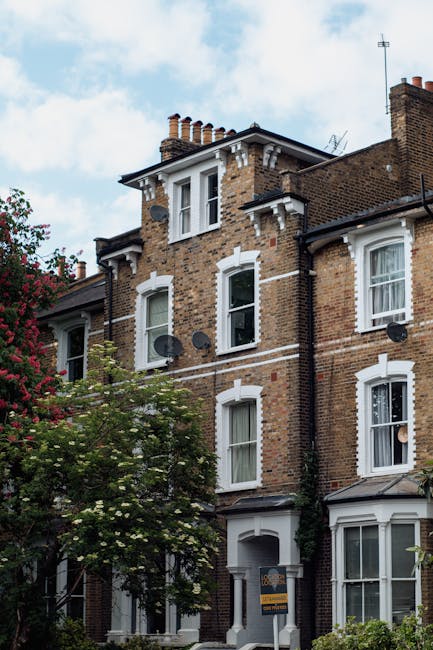
Estate Clearance Tips for Westbourne Grove Flats, Bayswater
Clearing a flat in Westbourne Grove, Bayswater is rarely just a matter of "getting rid of stuff". In a period conversion, mansion block, or compact modern apartment, estate clearance often means navigating narrow stairwells, shared entrances, parking restrictions, and a mix of sentimental and practical decisions all at once. If you are sorting a loved one's belongings, preparing a property for sale or letting, or simply trying to empty a flat efficiently, the right plan makes a huge difference.
This guide brings together practical estate clearance tips for Westbourne Grove flats, Bayswater, with a focus on real-world logistics, sensible sorting, and smooth disposal. You will find step-by-step advice, local considerations, and useful ways to stay organised without making the process harder than it needs to be. Truth be told, the biggest problems usually come from rushing the first hour, not the last one.
For related support across London, you may also find it useful to look at a flat clearance service in Bayswater, as well as broader options such as house clearance, furniture clearance, and waste removal when you need a fuller solution.
Table of Contents
- Why this matters in Westbourne Grove flats
- How estate clearance usually works
- Key benefits and practical advantages
- Who this is for and when it makes sense
- Step-by-step guidance
- Expert tips for better results
- Common mistakes to avoid
- Tools, resources and recommendations
- Law, compliance and best practice
- Options and comparison table
- Case study example
- Practical checklist
- Conclusion
- Frequently asked questions
Why Estate Clearance Tips for Westbourne Grove Flats, Bayswater Matters
Westbourne Grove has a very specific set of clearance challenges. Flats there are often in older buildings with shared hallways, limited lift access, controlled parking, and neighbours who understandably do not want corridors blocked for long. That means an estate clearance is not only about sorting contents; it is also about planning access, timing, and respectful handling of the property.
In practice, the difference between a stressful clearance and a calm one is preparation. A well-organised approach can reduce the time the flat is unusable, protect flooring and communal areas, and help you identify items that should be kept, sold, donated, recycled, or disposed of responsibly. It also helps when the property needs to be handed back quickly after a bereavement, tenancy change, or sale.
Another reason it matters is value. Estate clearances often involve items that are easy to overlook: original furniture, books, ornaments, kitchenware, documents, and sometimes electrical items or specialist pieces. A few minutes of careful sorting can prevent useful belongings from being discarded by accident. And yes, the one drawer everyone forgets is usually the one with the passports, keys, or utility paperwork in it.
For homeowners and executors who want a wider service, it can help to compare the flat-specific approach with broader support such as home clearance or loft clearance if the property includes storage rooms, lofts, or annex spaces that have been used for years.
How Estate Clearance Tips for Westbourne Grove Flats, Bayswater Works
An estate clearance is best treated as a staged process rather than a single removal job. The basic sequence is simple: assess the flat, decide what stays and what goes, remove what has been sorted, then clean and hand over the space. The detail is where things become smoother or messy.
First, establish who has authority to clear the property. In an estate situation, this may be the executor, administrator, landlord, next of kin, or an appointed representative. If the property is rented, the tenancy position should be clear before anything is removed. Once authority is established, create a room-by-room inventory of what is there. That inventory does not need to be luxurious; it just needs to be accurate enough to guide decisions.
From there, build four practical categories:
- Keep - important documents, sentimental items, keys, photos, and anything with clear personal value.
- Sell or value - antiques, higher-quality furniture, collectables, or items worth checking before disposal.
- Donate or rehome - usable goods that could benefit charities, neighbours, or family members.
- Remove and recycle - broken, unwanted, or bulky items that need lawful disposal.
In a Westbourne Grove flat, access can shape every decision. A sofa that looks straightforward on paper may be awkward on a stairwell turn. A wardrobe may need to be dismantled. Bags and boxes may be more practical than large containers if the lift is small or shared. If the clearance includes a lot of furniture, a dedicated furniture disposal route may be the cleanest way to handle bulky pieces.
Clearance then becomes a sequence of sensible moves, not a scramble: protect communal areas, remove items in the right order, separate recyclables, and document anything of financial or sentimental significance before it leaves the building.
Key Benefits and Practical Advantages
When estate clearance is done well, the benefits are immediate and tangible. The flat becomes manageable again. The family or responsible party can make decisions without clutter creating more pressure. The property can be prepared for marketing, repair, cleaning, or handover. Most importantly, the process feels controlled rather than chaotic.
Here are the main advantages:
- Faster property readiness - useful if the flat needs to be sold, let, or returned promptly.
- Less emotional strain - sorting into clear categories reduces decision fatigue.
- Better recovery of valuable items - paperwork, jewellery, heirlooms, and sellable pieces are less likely to be missed.
- Safer access - fewer trip hazards in tight hallways and rooms.
- Cleaner communal relations - neighbours are less affected when the job is planned properly.
- Improved recycling outcomes - reusable items can be separated from general waste more effectively.
There is also a hidden advantage: good clearance tends to uncover what the flat actually needs next. You may realise the property needs only a deep clean, or perhaps small repairs and builders waste clearance after minor refurbishment. Without a proper clearance plan, those next steps are often delayed by clutter and uncertainty.
Expert summary: In compact Bayswater flats, the most effective estate clearance is not the fastest one; it is the one that balances access, sorting discipline, and respectful handling of items people may still need.
Who This Is For and When It Makes Sense
Estate clearance is not only for bereavement cases, although that is a common reason. It also makes sense whenever a flat in Westbourne Grove needs to be emptied with care and accuracy rather than simple "rubbish removal".
This guide is especially relevant for:
- Executors and administrators handling a deceased person's estate.
- Family members who need to sort possessions with sensitivity.
- Landlords and managing agents dealing with vacant or abandoned flats.
- Solicitors or property professionals coordinating a sale or handover.
- Homeowners downsizing from a larger flat to a smaller one.
- Tenants leaving furnished accommodation with items to remove.
It is also relevant if the flat has storage spaces, because clearance rarely stops at the living room. Cupboards, under-bed storage, utility cupboards, and roof-level stores can hold a surprising amount. If that sounds familiar, a flat clearance or loft clearance service may be more appropriate than a simple one-off waste collection.
When does it make sense to call in help? Usually when the flat is large enough to overwhelm the people involved, when access is awkward, when time is limited, or when you need proper handling of a mixture of furniture, documents, and general waste. If the job also includes business items, archived files, or furnishings from a mixed-use property, a dedicated office clearance option may be the better fit.
Step-by-Step Guidance
A calm clearance starts with structure. If you break the job into steps, it becomes much easier to finish without losing track of important items.
1. Confirm authority and timing
Before moving a single item, make sure the person organising the clearance has the right to do so. Then decide the window for access, any deadlines, and whether anyone needs to be present during sorting. In estate work, timing matters. A rushed clearance is where mistakes tend to happen.
2. Walk the flat and note the obvious priorities
Start with a quick survey of all rooms, cupboards, and store areas. Look for paperwork, medicines, jewellery, keys, financial documents, personal records, and items likely to be sentimental. Create a shortlist of things that should never go into the disposal pile without review.
3. Sort room by room
Work methodically. Finish one room before moving to the next. That may sound obvious, but people often jump between rooms and end up with a confusing mix of boxes. Use labelled bags or boxes for keep, donate, recycle, and remove. If you are dealing with large furniture, mark pieces that need dismantling in advance.
4. Separate reusable items early
Do not let good items end up mixed with general waste. A bookcase in decent condition, a side table, a dining chair, or spare homeware could be rehomed or passed on. Responsible reuse is both practical and less wasteful, especially when a flat contains more than one category of usable goods. If you need support with these items, a furniture clearance service can help keep the process organised.
5. Plan the removal route
Check the route from the flat to the vehicle: lifts, stairwells, front door access, parking, and any restrictions. In Westbourne Grove, this step is particularly useful because buildings often have limited space for staging items. The less guesswork on the day, the better.
6. Remove waste in the right sequence
Take out lighter bags and smaller items first to free up space. Then move bulkier pieces. If the clearance includes mixed rubbish, broken furniture, or unwanted household contents, a combined waste removal approach can save time, provided items are correctly separated and handled.
7. Final check before handover
Do a final sweep of cupboards, behind furniture, and under beds. Check for forgotten chargers, passports, keys, and documents. This is the stage where people usually find something important they thought had already been sorted. Slightly annoying, but far better than discovering it after the flat has been emptied.
Expert Tips for Better Results
A few practical habits make estate clearance much smoother, especially in a Bayswater flat where space is often at a premium.
- Photograph rooms before you start so you have a visual record of what was present.
- Use colour-coded labels for keep, donate, recycle, and remove.
- Keep paperwork separate from general sorting bags, even if you are tempted to deal with it later.
- Measure bulky furniture before removal day if access looks tight.
- Protect hallways and thresholds with blankets or coverings where appropriate.
- Choose one decision-maker if possible, because too many opinions can slow everything down.
- Prioritise high-value and sentimental items first, not last.
A useful rule of thumb: if you are unsure whether something is worth keeping, pause and place it in a "review later" box rather than deciding under pressure. That one habit prevents a surprising number of regrets.
For a more joined-up approach, some people like to coordinate clearance with wider support such as home clearance for the full property and garage clearance if the flat includes a lock-up, basement store, or external storage space.
Common Mistakes to Avoid
The hardest mistakes to fix are usually the simplest ones. They happen when people want the job over with and skip the boring bits. Boring bits, unfortunately, are often where the value is.
- Starting without a plan - this usually leads to mixed piles and missed items.
- Throwing away paperwork too quickly - always check for legal, financial, or personal records.
- Underestimating access issues - narrow stairs and parking restrictions can delay removal.
- Forgetting shared building rules - quiet hours, lifts, and corridor use may matter.
- Not separating reusable items - this can increase waste and reduce recovery options.
- Leaving bulky furniture until the end - it can block access and make the flat harder to finish.
- Ignoring cleaning follow-up - a cleared flat still usually needs a final tidy or deep clean.
Another common slip is assuming all "clearance" providers do the same thing. They do not. Some are better suited to furniture-heavy work, others to full estate clearances, and some are more appropriate for general waste only. It is worth comparing scope, not just price.
Tools, Resources and Recommendations
You do not need a huge kit to carry out a sensible flat clearance, but a few tools make life easier. The goal is to reduce friction, not create a pop-up logistics project in the lounge.
Helpful tools
- Strong bin bags and rubble sacks
- Permanent markers and labels
- Cardboard boxes for paperwork and keepsakes
- Gloves for dusty storage areas
- Basic cleaning cloths and surface wipes
- Measuring tape for large furniture and tight doorways
- Phone camera for room records and item photos
Useful resources
If you are comparing service types, it helps to understand the difference between a house clearance, a flat-specific job, and furniture disposal. The right choice depends on how much needs removing, whether items can be reused, and how much access planning is required.
If sustainability matters to you, review the provider's recycling and sustainability approach. That is especially useful when a flat contains a mixed load of wood, textiles, small appliances, and everyday household items.
For enquiries, quotes, or service questions, use the contact page or compare options on the relevant pricing and quotes page. If you are checking how a company operates more broadly, the about us page is often a good place to assess tone, scope, and service fit.
Law, Compliance, Standards, or Best Practice
Estate clearance in the UK is not just about convenience. It also needs to respect property rights, privacy, and safe waste handling. The exact legal position can vary depending on the tenancy status, estate authority, building rules, and the nature of the items involved, so it is wise to proceed carefully when anything sensitive is present.
A few best-practice principles are widely sensible:
- Only clear items you are authorised to handle. In estate situations, authority should be clear before removal begins.
- Handle personal documents carefully. Financial records, identity papers, and confidential material should not be treated as ordinary waste.
- Use responsible waste routes. Mixed household items, furniture, and electrical goods should be handled appropriately rather than dumped or left outside.
- Consider insurance and safe working practices. Especially in stairwells and shared buildings, the risk of damage or injury is higher than in a ground-floor empty property.
If you want reassurance on process standards, it helps to review a provider's health and safety policy and insurance and safety information. For secure transactions, the payment and security page can also be a useful trust signal. These pages do not replace professional judgement, but they do show whether a business takes practical responsibilities seriously.
Where there are complaints procedures, accessibility needs, or data concerns, those support pages matter too. In a well-run service, the paperwork should be as orderly as the clearance itself. That is not glamorous, but it is reassuring.
Options, Methods, or Comparison Table
There is more than one way to clear a flat. The best option depends on time, volume, access, and how much sorting you need to do beforehand.
| Approach | Best for | Strengths | Limitations |
|---|---|---|---|
| DIY clearance | Small volumes and simple decisions | Low immediate cost, full control | Time-consuming, physically demanding, harder with access issues |
| Hybrid clearance | Mixed situations with some sorting already done | Flexible, good for valuable items and bulk waste | Requires coordination and clear boundaries |
| Full estate clearance service | Large or sensitive flat clearances | Efficient, structured, suitable for tight deadlines | Costs more than doing it yourself, but often saves time and stress |
In compact Westbourne Grove flats, the hybrid or full-service approach often wins because the access and sorting challenges are just as important as the amount of stuff. If there is also leftover refurbishment material, then a specialised option such as builders waste clearance may be useful alongside the estate work.
Case Study or Real-World Example
Imagine a two-bedroom Westbourne Grove flat in a converted townhouse. The property contains a mixture of everyday furniture, boxed paperwork, books, kitchenware, framed photos, and a couple of heavier items that will not fit neatly down the stairs without dismantling. The hallway is shared, the lift is small, and the property needs to be ready for marketing within a short window.
The most sensible approach is to start with documents and sentimental items, then move to room-by-room sorting. One bedroom becomes the review room for keepsakes and paperwork. The living room is separated into furniture for removal, items for donation, and things that need disposal. The wardrobe and bed frame are measured before any movement begins. A final sweep uncovers spare keys, a folder of manuals, and a few small valuables that would have been easy to miss.
By the time removal starts, the route is clear, the bulky furniture has been assessed, and the remaining waste is already separated. The result is less disruption to neighbours, fewer decisions on the day, and a property that can move quickly to cleaning and presentation.
That is the quiet value of planning: not drama, just fewer surprises.
Practical Checklist
Use this checklist as a working guide before and during the clearance.
- Confirm who has authority to clear the flat.
- Set a realistic date and time for the work.
- Walk through every room, cupboard, and storage area.
- Remove documents, keys, valuables, and sentimental items first.
- Sort items into keep, sell, donate, recycle, and remove.
- Measure large furniture and check access routes.
- Protect floors, corners, and communal spaces where needed.
- Book the right clearance support for bulky or mixed waste.
- Separate reusable furniture from general rubbish.
- Do a final sweep of all rooms before handover.
- Arrange cleaning or touch-up work if the property needs it.
Quick takeaway: the better you sort before removal day, the easier the whole job becomes. In a tight Bayswater flat, that usually saves more time than any last-minute rush ever could.
Conclusion
Estate clearance in Westbourne Grove flats is about much more than getting an empty room at the end. It is a practical process that benefits from careful sorting, decent planning, and a realistic view of the building's layout and access. When you take the time to separate what matters, protect shared spaces, and choose the right removal route, the work becomes safer, quicker, and far less stressful.
If you are dealing with a compact Bayswater flat, the smartest approach is usually the one that combines good preparation with the right kind of help. That could mean a full flat clearance, targeted furniture disposal, or a broader waste removal service depending on what the property contains. Either way, the goal is the same: finish with clarity, not clutter.
Get a free quote today and see how much you can save.
Frequently Asked Questions
What is the best way to start an estate clearance in a Westbourne Grove flat?
Start by confirming authority, then make a room-by-room inventory and remove documents, valuables, and sentimental items before anything else. That early structure prevents mistakes and keeps the process manageable.
How long does a flat estate clearance usually take?
It depends on the size of the flat, the amount of furniture, access restrictions, and how much sorting has already been done. A small, well-prepared flat can be much quicker than a cluttered one with awkward stair access.
Do I need to sort everything before booking a clearance?
No, but some sorting helps a lot. If you can identify keep items, paperwork, and valuables beforehand, the clearance team can work more efficiently and avoid accidental disposal.
What happens to furniture that is still in usable condition?
Usable furniture is often separated for reuse, donation, or resale where appropriate. This depends on the condition of the item and the service arranged, so it is worth discussing the options in advance.
Is estate clearance different from a normal flat clearance?
Yes. Estate clearance usually involves more care around documents, sentimental belongings, and decision-making. A normal flat clearance is often more straightforward and may not require the same level of sorting or authority checks.
How do I handle confidential documents during a clearance?
Separate them early and keep them out of general waste. If the documents contain personal or financial information, they should be handled securely rather than mixed with ordinary rubbish.
What if the flat has difficult access or a small lift?
Measure bulky items, plan the removal route, and consider dismantling furniture where safe and practical. Access issues are one of the main reasons compact London flats need a more careful approach.
Can an estate clearance include lofts, cupboards, or storage rooms?
Yes. In fact, those spaces often contain the most overlooked items. It is sensible to check them thoroughly before removal day, especially in older properties.
Should I choose the cheapest clearance option?
Not automatically. The best option is the one that matches the volume, access, and sensitivity of the job. A slightly higher-priced service can be better value if it saves time, reduces risk, and handles the work properly.
What should I check before hiring a clearance company?
Look at the scope of service, insurance and safety information, pricing transparency, recycling approach, and whether the company provides clear contact details and sensible support pages.
What if I only need a few bulky items removed?
Then a targeted furniture disposal or waste removal service may be enough. You do not always need a full estate clearance if the flat only contains a small number of items.
Do I need to arrange cleaning after the clearance?
Usually, yes. Clearing the contents and cleaning the property are related but separate jobs. A final clean helps the flat look presentable for sale, letting, or handover.
Can I combine estate clearance with other services?
Absolutely. Depending on what the flat contains, it may make sense to combine flat clearance with furniture clearance, home clearance, or even builders waste clearance if minor works are being done afterwards.
Where can I find more information or request help?
You can review the service pages, check practical policies, and use the contact page to ask for guidance or a quote. For many people, that is the simplest next step once the scale of the job becomes clear.