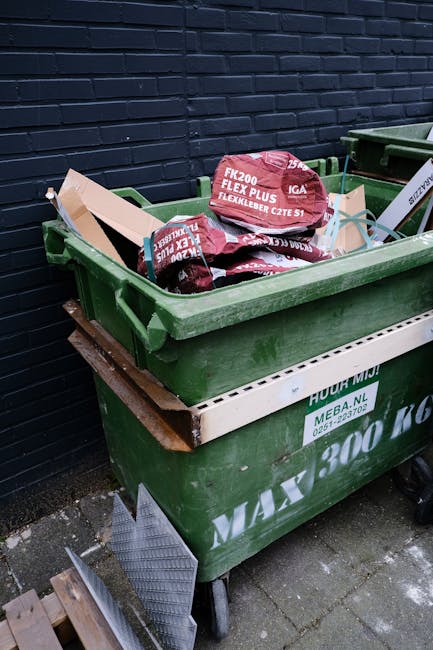
Pavement Clearance Permits and Fines for Bayswater Builders
If you build, refurbish, or clear sites in Bayswater, pavement space is not a convenience you can just claim and hope for the best. Pavement Clearance Permits and Fines for Bayswater Builders can be the difference between a smooth job and an expensive headache. One missed permit, one poorly managed skip, or one awkward pile of waste on the footway, and suddenly the project is slowed down, people are annoyed, and costs start creeping up.
This guide explains how pavement clearance permits work, why they matter, where fines usually come from, and how builders in Bayswater can stay on the right side of local expectations without making the job more complicated than it needs to be. Truth be told, most problems are avoidable with a bit of planning and a clear process.
Whether you are managing a small residential refurbishment or a larger commercial job, it helps to know what counts as obstruction, what councils usually expect, and how to keep materials, skips, and waste under control. You will also find a practical checklist, a simple comparison table, and a few real-world style examples to help the whole thing feel less abstract.
Table of Contents
- Why Pavement Clearance Permits and Fines for Bayswater Builders Matters
- How Pavement Clearance Permits and Fines for Bayswater Builders Works
- Key Benefits and Practical Advantages
- Who This Is For and When It Makes Sense
- Step-by-Step Guidance
- Expert Tips for Better Results
- Common Mistakes to Avoid
- Tools, Resources and Recommendations
- Law, Compliance, Standards, or Best Practice
- Options, Methods, or Comparison Table
- Case Study or Real-World Example
- Practical Checklist
- Conclusion
- Frequently Asked Questions
Why Pavement Clearance Permits and Fines for Bayswater Builders Matters
On a busy street, pavement space disappears fast. A skip, a stack of plasterboard, a loading bay, or even a wheelbarrow left in the wrong place can create a barrier for pedestrians, wheelchair users, parents with buggies, delivery drivers, and neighbours just trying to get past. In Bayswater, where streets can be tight and foot traffic can be heavy, the margin for error is small.
That is why permit planning is not just a box-ticking exercise. It protects public access, reduces complaints, and helps a project feel organised from day one. It also keeps the builder from being the person everyone remembers for all the wrong reasons. Nobody wants a site that looks like chaos by 8:30am on a Wednesday.
Fines and enforcement action tend to arrive after something has already gone wrong: a permit is missing, the clearance area is larger than agreed, waste is left out too long, or the pavement is obstructed in a way that creates risk. Even if the fine itself is manageable, the knock-on effect can be worse. Work pauses. A client gets nervous. A delivery gets missed. A small job becomes a messy one.
There is also a reputational side. Builders often win work through trust, not just price. A tidy, well-managed site gives a far better impression than one with debris spilling over the kerb. Local residents notice. So do managing agents and commercial clients.
Key point: pavement clearance is not only about avoiding a penalty. It is about keeping the site safe, the programme moving, and the client confident.
How Pavement Clearance Permits and Fines for Bayswater Builders Works
In plain English, a pavement clearance permit is permission to temporarily use part of the public pavement or highway area for building activity, storage, loading, or waste handling. The details vary by council and by the exact situation, so the safest approach is to assume permission may be required before placing anything on public land.
For builders, the most common triggers are straightforward:
- placing a skip on the road or pavement
- storing rubble, timber, or materials outside the property boundary
- setting up a scaffold or hoarding that affects access
- loading and unloading bulky waste in a way that obstructs the footway
- leaving bags, bins, or builder's waste where pedestrians need to pass
If the work stays fully within private property, you may not need a pavement permit. But the moment the job spills onto the public highway, caution is wise. Bayswater's urban layout means even small projects can become street-facing very quickly, especially when vans, skips, and trades are all arriving around the same time.
Fines usually happen when the use of pavement space is unauthorised, unsafe, or not managed according to the conditions of the permit. The issue may not even be the original obstruction itself. Sometimes it is the failure to keep access clear, to display the right paperwork, or to remove items when the permit period ends. A permit is only useful if the site team actually follows it. Simple, but easy to miss when the day gets busy.
For many builders, the most practical way to reduce risk is to pair clear permit planning with efficient waste handling. That is where services such as builders waste clearance and broader waste removal support can help keep the site tidy and less likely to attract attention from enforcement officers or unhappy neighbours.
Key Benefits and Practical Advantages
It is easy to think of permits as an administrative burden. To be fair, they are paperwork. But when handled well, they bring real operational benefits.
1. You reduce the risk of avoidable fines
The most obvious benefit is financial. A permit check costs far less than a penalty, and far less than the disruption that follows an enforcement visit. That alone makes planning worth it.
2. The site runs more smoothly
When everyone knows where waste goes, where loading happens, and how long pavement space is available, the team wastes less time improvising. That matters on tight residential streets where every van manoeuvre feels like a small event.
3. Clients feel better about the project
A clean, compliant site tells the client that the builder is in control. It is a small detail that can carry a lot of weight, especially on home improvements where the client is living with the project day after day.
4. Neighbour friction drops
Few things annoy neighbours faster than blocked pavements, repeated mess, or waste being left out for "just one more day." Good clearance practice keeps complaints down, which is always worth the effort.
5. Waste handling becomes more efficient
With the right process, builders can separate material types, schedule collections properly, and avoid double handling. Less shuffling. Less lifting. Less chance of breakage. The job just feels calmer.
If your work regularly creates mixed waste, planning in advance with a disposal route can also improve recycling outcomes. For teams that care about the environmental side, the company's recycling and sustainability approach is worth reviewing alongside the project plan.
Who This Is For and When It Makes Sense
This topic is most relevant to builders, contractors, refurbishment teams, property managers, and tradespeople who work in or around Bayswater. That said, it is not limited to large firms. Even a small decorator or kitchen fitter can run into permit issues if a pavement is used for deliveries or waste staging.
You are especially likely to need to think about permits and fines if you are:
- working on terrace or mansion block refurbishments
- replacing kitchens, bathrooms, or flooring in occupied properties
- managing a strip-out before a larger renovation
- using a skip near a narrow road or on-street location
- coordinating multiple trades with limited access space
- handling demolition waste, plaster, timber, or packaging in bulk
It also makes sense for landlords and managing agents to understand the basics. If a contractor causes an obstruction, the property owner may still be dragged into the conversation. Not ideal, obviously.
For mixed-use sites or offices undergoing fit-out work, a builder may also need to coordinate with business waste arrangements. In those cases, a service like business waste removal can help reduce clutter and avoid awkward storage on the pavement in the first place.
Step-by-Step Guidance
Here is a practical way to handle pavement clearance planning without overcomplicating it.
- Assess the site boundary carefully. Check whether any part of the intended setup crosses from private land onto pavement or highway space. Look at bin locations, delivery points, scaffold footprints, and where waste will be staged.
- Identify what needs permission. A skip, scaffold, material stack, or loading zone may all have different requirements. Do not assume one approval covers everything.
- Confirm the likely duration. Short jobs can still create problems if items stay out overnight. Be realistic about the timetable. Projects slip; they always do a bit.
- Plan safe pedestrian access. Keep walkways clear, accessible, and obvious. If people have to step into the road, rethink the setup immediately.
- Arrange waste clearance early. Do not leave rubble to build up until the end of the job. Regular removal is usually cleaner, safer, and easier to manage.
- Keep documents accessible. Permit details, contact names, site lead numbers, and collection timings should be easy to find on site.
- Review conditions daily. Weather, deliveries, and programme changes can affect whether the site still complies. A five-minute check each morning can prevent a bigger issue later.
If you are working in a tight residential street, think in terms of flow. Can the bin lorry pass? Can a pram get through? Can someone with limited mobility move safely past the site? These are not abstract questions. They are the ones that matter when a resident stops and looks at your work bay with that familiar expression.
Expert Tips for Better Results
After enough site visits, a few habits stand out as genuinely useful.
Start with the waste plan, not the permit
That might sound backwards, but it works. If you know what has to leave the site, how much there is, and how often it needs collecting, the permit decision becomes much easier. The reverse approach often creates last-minute panic.
Use smaller, more frequent clearances where possible
A huge pile on the pavement looks bad quickly. Smaller collections reduce visual clutter and keep the site safer. They can also make sorting easier, which helps if materials are being separated for recycling.
Assign one person to site control
It does not need to be a full-time job. Just one person responsible for checking that waste is not creeping beyond agreed boundaries. Without that, things drift. Bags multiply. The pavement narrows. Suddenly everyone is blaming everyone else.
Build a buffer into your timetable
Permits, collections, and weather delays do not always behave. If you assume everything will happen exactly on schedule, you are setting yourself up for stress. Leave a little slack. You will thank yourself later.
Protect residents and visitors first
Good builders know the site is not just for the crew. It is part of a lived-in street. A bit of extra care with signage, barriers, and tidy storage goes a long way.
Practical summary: a compliant pavement setup is usually less about one big decision and more about a lot of small habits done properly, every day.
Common Mistakes to Avoid
The same errors come up again and again. Most are simple, which is exactly why they are easy to miss.
- Assuming the pavement is "fine for an hour." Short-term obstruction can still create problems.
- Leaving waste outside the boundary line. Even a small spillover can trigger complaints or enforcement attention.
- Forgetting permit expiry dates. A job overrunning by one day can turn into an avoidable issue.
- Overfilling skips or piles. That creates safety and visibility problems.
- Ignoring pedestrian access. If people have to squeeze past, the site is not properly managed.
- Mixing too many waste types. It slows collection and can make disposal more difficult.
- Not briefing subcontractors. The best permit in the world will not help if a tradesperson places materials where they should not.
One common mistake is underestimating how quickly a tidy site can become messy. A bag of plasterboard dust, a few bits of packaging, and a pallet left on the edge can turn into a complaint by lunchtime. It happens fast, especially on a damp morning when everything seems to cling to the pavement.
Tools, Resources and Recommendations
You do not need a huge toolkit, but you do need a reliable system.
Useful site tools
- cones and barriers to define safe walkways
- clear signage for loading and waste zones
- bin bags or bulk bags for lighter debris
- site logs for permit dates and collection times
- basic camera photos for internal record-keeping
Useful operational resources
A clear quote process helps when comparing clearance options, especially if you are deciding whether regular collections or a one-off haul-away makes more sense. The pricing and quotes page is a sensible place to start if you want to understand how a service is structured before booking.
For builders who need a broader clean-down after a job, waste removal may suit better than trying to manage everything on your own. And if the job involves other site-related belongings, such as old fixtures or leftover furnishings, services like furniture disposal can stop them from becoming temporary obstacles on the pavement.
Recommendations that usually pay off
- book clearance before the site gets crowded
- keep the pavement edge clean and visible
- review permit conditions every morning
- take photos when the site is set up correctly
- avoid keeping surplus materials "just in case" if they block access
Law, Compliance, Standards, or Best Practice
Because this topic touches the public highway, safety, and potential enforcement, it sits close to compliance territory. The exact permit rules depend on the local authority and the circumstances of the works, so it is best to treat any public pavement use as something that should be checked carefully in advance.
In practical terms, good compliance usually means:
- seeking permission before using public pavement space
- keeping access routes safe and usable
- displaying the correct paperwork where required
- removing obstructions promptly when the job changes
- making sure all staff and subcontractors understand the boundary lines
There is also a duty of care angle. Even where a fine is not issued, unsafe or obstructive behaviour can create hazards for the public. That can lead to complaints, delays, or further action. Better to handle it properly from the start than to explain it later.
If you are dealing with your own insurance, site safety, or liability questions, it is worth checking the company's insurance and safety guidance alongside internal procedures. The same goes for working practices generally; good paperwork helps, but real-world site discipline matters more.
Best practice in Bayswater is usually about being conservative. If the pavement is tight, assume access will need to stay clear. If the waste is heavy, assume movement will need to be controlled. If the project is long, assume conditions may change. That mindset saves trouble.
Options, Methods, or Comparison Table
Choosing how to manage pavement-related clearance often comes down to balancing control, speed, and risk. Here is a simple comparison.
| Approach | Best for | Pros | Watch-outs |
|---|---|---|---|
| On-site storage only | Small jobs fully within private property | No pavement use, less permit risk | Can become cramped quickly; limited capacity |
| Occasional scheduled clearance | Medium projects with steady waste output | Reduces clutter, easier to manage | Needs planning so waste does not build up too much |
| Permit-based pavement use | Jobs needing temporary highway access | Can support skips or loading in tight spaces | Requires careful compliance and timing |
| Outsourced clearance support | Busy sites or multi-trade projects | Less admin, more predictable site control | Must choose the right service and schedule |
In many Bayswater jobs, a mixed approach works best. Keep what you can on private ground, remove waste regularly, and only use pavement space when there is no sensible alternative. That is usually the sweet spot.
Case Study or Real-World Example
A small refurbishment team in Bayswater was working on a flat renovation with a narrow access point and no useful storage area inside the building. At first, the crew planned to stack rubble and old fixtures just outside the entrance while the work progressed. It seemed efficient at 7:30 in the morning. By midday, not so much.
The pile started to spread. One delivery driver struggled to pass. A neighbour asked whether the pavement would stay open for pushchairs. The site manager realised the plan was drifting and brought in a more structured clearance routine. Waste was removed in smaller loads, the edge of the pavement was kept clear, and the team reduced the amount of material waiting outside the property.
The result was not dramatic, but it was exactly what the job needed: fewer complaints, less stress, and no further issue with obstruction. The crew also used a clearer process for furniture and leftover items, which meant the project finished feeling orderly rather than chaotic.
That is often how these things play out. Not with a huge disaster, just a slow build-up of avoidable friction. Catch it early and you usually save the project.
Practical Checklist
Use this before you place anything on or near the pavement.
- Have I confirmed whether pavement use is needed at all?
- Do I know the exact boundary between private and public space?
- Has the permit or approval been checked, if required?
- Are the start and end dates clear?
- Will pedestrians still have a safe route past the site?
- Are waste bags, skips, or materials positioned securely?
- Have subcontractors been briefed on the layout?
- Is collection scheduled before the site becomes crowded?
- Are signage and barriers visible enough?
- Have I got a plan for overflow, weather, or delays?
If you can answer yes to most of those, you are in a much better place. If not, pause and reset the plan before the day gets away from you.
Conclusion
Pavement Clearance Permits and Fines for Bayswater Builders are really about control. Control of risk, control of access, control of waste, and control of how a site is seen by everyone passing by. When the process is handled properly, the job feels calmer and the chance of costly trouble drops sharply.
The best approach is usually simple: plan early, keep clear routes for people, remove waste regularly, and treat the pavement as shared space rather than spare storage. That mindset will serve you well on almost any Bayswater project, from a compact flat refurb to a more involved builder's strip-out.
If you want your next site to stay cleaner, safer, and easier to manage, it is worth arranging the clearance side before the build starts getting busy.
Get a free quote today and see how much you can save.
Frequently Asked Questions
Do builders in Bayswater always need a pavement clearance permit?
Not always. If all materials, skips, and waste stay entirely within private property, a permit may not be needed. But once anything moves onto the public pavement or highway area, permission should be checked carefully.
What usually causes fines for pavement obstruction?
Common causes include placing waste without permission, blocking footways, overstaying permit conditions, or failing to keep pedestrian access clear. Sometimes the problem is not the obstruction itself but the way it is managed.
Can a small renovation still trigger permit issues?
Yes. A small job can create a big access problem if the street is narrow or the site has little room. Bayswater projects often look modest until the first delivery arrives and everything feels tighter.
Who is responsible if the pavement is blocked by a contractor?
Responsibility can depend on the contract and who set up the obstruction, but the builder or site manager is usually the first person asked to sort it out. In practice, everyone on site should know the rules.
How can builders reduce the risk of fines?
Plan waste removal early, keep clear pedestrian routes, respect permit dates, and brief the whole team. A tidy site with regular clearance is far less likely to attract complaints or enforcement action.
Is it better to remove waste little and often?
Usually, yes. Smaller, scheduled clearances keep the pavement less cluttered and reduce the chance of waste spilling beyond the agreed area. It also tends to make the site feel more controlled.
What if the project overruns?
That is common enough. The important thing is to review the permit period and site layout straight away, rather than leaving waste or equipment where it no longer fits the agreed conditions.
Do neighbours complain about pavement obstructions?
They often do, especially where access is tight or the site looks messy. A few minutes spent keeping the area tidy can save hours of awkward conversation later.
Can waste clearance help with compliance?
Yes. Reliable clearance reduces clutter, helps maintain access, and makes it easier to keep within whatever permit or site conditions apply. It is one of the simplest ways to lower risk.
What is the smartest first step before using pavement space?
Check exactly what needs to go where, and for how long. Once you know the footprint and the timeline, it becomes much easier to decide whether a permit is needed and how to manage the work safely.
Does recycling matter in builder clearance planning?
It does. Sorting waste properly can make collection easier and reduce the amount sent in mixed loads. It is also just better practice, and often makes a site easier to run overall.
Where can I get help with builder waste and site clearance?
If you want a more structured approach to site waste, the company's builders waste clearance service can be a practical place to start, especially where access is tight and time is limited.
Related pages: If you are also dealing with wider site clean-up, you may find waste removal, pricing and quotes, and recycling and sustainability useful for planning the next step.